Chicken Run Ideas For Small Backyards
Highlighted under: Classic Hearty Meals
I’ve always dreamed of having a bustling chicken coop in my backyard, but space can be a challenge. After brainstorming various creative solutions, I found ways to maximize my small outdoor area while ensuring my chickens have plenty of room for exercise and play. From vertical nesting boxes to portable runs, these ideas have kept my chickens happy and healthy while perfectly fitting my limited space. Join me as I share some clever chicken run ideas that are not just practical but also enjoyable for both the chickens and me.
When I first set out to build a chicken run in my small backyard, I felt overwhelmed with the constraints of space. However, as I researched and experimented, I discovered that creativity would be my best friend. I utilized every inch of my yard by incorporating vertical elements and movable parts. This not only prevented clutter but also provided my chickens with different environments to explore.
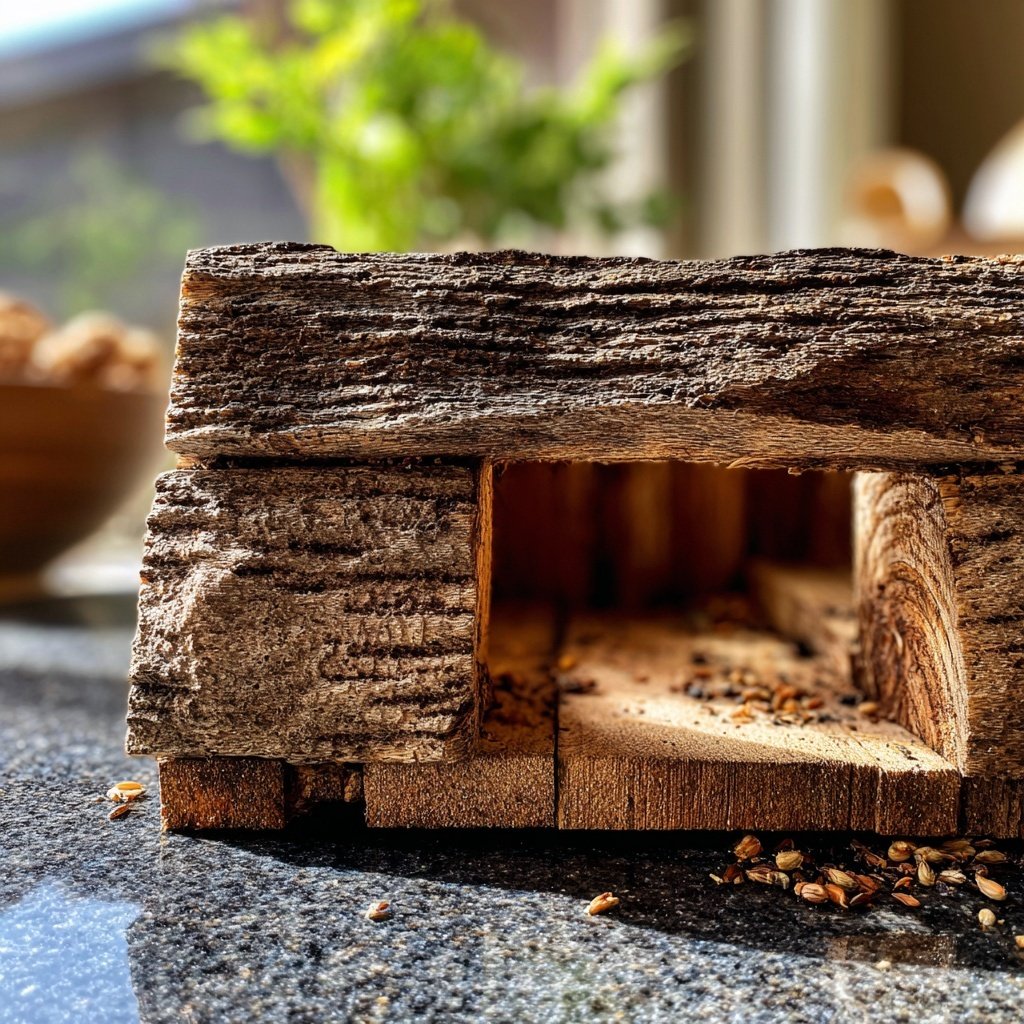
One of my favorite tricks was using pallets to create a multi-level run. By stacking them, the chickens can climb and perch, staying active and engaged. This method not only optimized the footprint but also adds visual interest to my backyard. It truly transformed my space into a delightful and functional environment.
Why You'll Love These Ideas
- Creative use of limited space for chicken runs
- Interactive environments that keep chickens engaged
- Minimal cost through DIY solutions
Maximizing Vertical Space
In small backyards, utilizing vertical space is essential for creating an effective chicken run. You can build multi-level perches or install shelves for your chickens to use for climbing and resting. This not only provides them with more play area but also stimulates their natural behaviors. When constructing these features, make sure they are sturdy and can support the weight of your chickens without bending or breaking.
Consider attaching vertical nesting boxes to the walls of your run. This keeps the ground space clear for movement and play. By stacking boxes or installing them high, you'll create more room for your chickens to scratch and forage below. Just ensure that the boxes are easily accessible for both you and the hens, facilitating easy egg collection.
Safety First: Predator-Proofing Your Run
Safety is paramount when building your chicken run. While wire mesh is effective for keeping chickens in and predators out, it's important to check the gauge of the mesh. A heavier gauge (14 or 16) offers better protection against determined predators. I recommend burying the lower edges of the mesh about a foot deep or using an apron around the base to prevent digging.
Ensure your chicken run has a secure roof if you're in an area with aerial predators. A simple design with overhead mesh or a solid roof can prevent hawks or raccoons from getting in. Regularly inspect your run for signs of wear and tear, as even small gaps can compromise the safety of your flock.
Seasonal Considerations
Adapt your chicken run for seasonal weather changes to keep your birds comfortable year-round. In winter, consider adding windbreaks or insulated nesting boxes to help retain warmth. Straw or wood shavings can be used to provide extra bedding, promoting insulation and comfort. I also recommend creating shaded areas for the summer months, as chickens can easily overheat in direct sunlight.
It's also wise to think about drainage and mud management during rainy seasons. Elevated nesting boxes and proper sloping of the run can help prevent water accumulation and muddy conditions. Installing a small covered area will allow hens to remain dry while still enjoying the outdoors, keeping both their spirits and health intact.
Materials Needed
Basic Supplies
- Wooden pallets
- Wire mesh fencing
- Nails and screws
- Hinges
- Wooden posts
Additional Accessories
- Perches
- Nest boxes
- Toys for chickens
- Water and food containers
Optional Enhancements
Steps to Create Your Chicken Run
Plan Your Space
Measure your backyard to determine how much space is available for the chicken run. Create a sketch outlining the design to visualize your project.
Gather Your Materials
Collect all the necessary supplies. If you have old wooden pallets, they can usually be repurposed, saving costs while adding character to your run.
Construct the Base
Using wooden posts, build a frame for your chicken run. Make sure it’s sturdy and safe from predators.
Install the Wire Mesh
Attach the wire mesh fencing securely around the frame. This is crucial for keeping your chickens safe while allowing them to roam freely.
Add Perches and Nesting Boxes
Incorporate perches and nesting boxes within the run, ensuring they are easy to access for both you and the chickens.
Personalize and Decorate
Enhance the run with toys and plants. Chickens love to explore, and a varied environment promotes their wellbeing.
Final Touches
Pro Tips
- Be sure to rotate the location of your chicken run occasionally to provide fresh ground for your flock, which can help prevent disease and promote better grass growth.
Building Tips
When constructing your chicken run, take your time with the measuring and layout. A well-planned design saves you time during the build and ensures an easier installation. Using wooden pallets can provide not just structure but a rustic charm, and they can often be sourced for free or at minimal cost. Just check for any chemicals used in the materials—better to choose untreated wood where possible.
As you build, always wear safety gear, especially when using tools like saws and drills. Pay particular attention to sharp edges or protruding nails, as these can pose a risk to both you and your chickens. After the run is built, give it a thorough inspection to catch any sharp points or hazards that could harm your flock.
Enhancing Hen Happiness
To keep your chickens happy and engaged, consider rotating toys or creating foraging areas where they can scratch and peck freely. Scatter treats like mealworms or vegetable scraps in these areas to encourage natural foraging behavior. Chickens are social creatures and thrive on interaction, so providing enriching environments is key to their mental well-being.
In addition to toys, think about adding small plants within the run. Herbs such as mint or parsley can thrive in a chicken run and provide both a snack for your birds and natural pest control. Gradually introducing new plants or toys will keep the run interesting and stimulating for your flock.
Maintenance and Cleaning
Regular maintenance is crucial for keeping your chicken run healthy. Schedule a weekly clean-up to remove waste and uneaten food, which helps prevent diseases and parasites from taking hold. Using a shovel or rake can make light work of this process, and it’s also a good opportunity to check your fencing and structure for any necessary repairs.
It's also beneficial to layer the ground with materials like straw or pine shavings, which can absorb moisture and odors. These materials should be cleaned out and replaced periodically to ensure a fresh environment for your chickens. By maintaining a clean and healthy space, you'll promote a happier flock and ensure they provide you with fresh eggs for years to come.
Questions About Recipes
→ How much space do my chickens need?
Generally, you should allow at least 10 square feet of outdoor space per chicken.
→ Can I build a chicken run using reclaimed materials?
Absolutely! Reclaimed materials can be a cost-effective and sustainable way to build your chicken run.
→ Do I need to cover the chicken run?
It's advisable to have some cover to protect your chickens from predators and harsh weather.
→ How often should I clean the chicken run?
Cleaning the run weekly is recommended to maintain hygiene and prevent unpleasant odors.
Chicken Run Ideas For Small Backyards
Created by: Skylar Jennings
Recipe Type: Classic Hearty Meals
Skill Level: Beginner
Final Quantity: 1
What You'll Need
Basic Supplies
- Wooden pallets
- Wire mesh fencing
- Nails and screws
- Hinges
- Wooden posts
Additional Accessories
- Perches
- Nest boxes
- Toys for chickens
- Water and food containers
How-To Steps
Measure your backyard to determine how much space is available for the chicken run. Create a sketch outlining the design to visualize your project.
Collect all the necessary supplies. If you have old wooden pallets, they can usually be repurposed, saving costs while adding character to your run.
Using wooden posts, build a frame for your chicken run. Make sure it’s sturdy and safe from predators.
Attach the wire mesh fencing securely around the frame. This is crucial for keeping your chickens safe while allowing them to roam freely.
Incorporate perches and nesting boxes within the run, ensuring they are easy to access for both you and the chickens.
Enhance the run with toys and plants. Chickens love to explore, and a varied environment promotes their wellbeing.
Extra Tips
- Be sure to rotate the location of your chicken run occasionally to provide fresh ground for your flock, which can help prevent disease and promote better grass growth.
Nutritional Breakdown (Per Serving)
- Calories: 0 kcal
- Total Fat: 0g
- Saturated Fat: 0g
- Cholesterol: 0mg
- Sodium: 0mg
- Total Carbohydrates: 0g
- Dietary Fiber: 0g
- Sugars: 0g
- Protein: 0g